 Encephalitis Encephalitis is brain inflammation (swelling). Causes include viral infections, infections from insect bites or an autoimmune reaction that affects your brain. It can be life-threatening or cause long-term complications. Treatment varies, but most people require hospitalization so they can receive intensive treatment, including life support.
 Symptoms Encephalitis may cause many different symptoms including confusion, personality changes, seizures or trouble with movement. Encephalitis also may cause changes in sight or hearing. Most people with infectious encephalitis have flu-like symptoms, such as: Headache. Fever. Aches in muscles or joints. Fatigue or weakness.
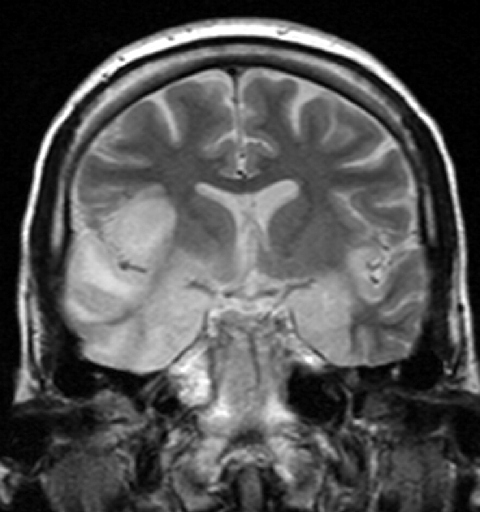 Adults with encephalitis present with acute onset of fever, headache, confusion, and sometimes seizures. Younger children or infants may present with irritability, poor appetite and fever. [7] Neurological examinations usually reveal a drowsy or confused person. Stiff neck, due to the irritation of the meninges covering the brain, indicates that the patient has either meningitis or ...
 Encephalitis is inflammation of the brain. The inflammation causes the brain to swell, which leads to changes in neurological function, resulting in mental confusion and seizures.
 Encephalitis is inflammation of the parenchyma of the brain, resulting from direct viral invasion or occurring as a postinfectious immunologic complication caused by a hypersensitivity reaction to a virus or another foreign protein. Symptoms include fever, headache, and altered mental status, often accompanied by seizures or focal neurologic deficits. Diagnosis requires cerebrospinal fluid ...